



Let’s explore what the symptoms of a damaged skin barrier are, and what products to use.

What is the skin barrier?
Understanding your skin barrier is an important part of supporting healthy-looking. As the body’s largest organ, your skin is made up of multiple layers that work together to help protect against external stressors and maintain hydration.
The outermost layer, known as the stratum corneum, is made up of protective skin cells called corneocytes, held together by lipids including cholesterol, fatty acids, and ceramides. Together, these components form the skin barrier, helping to retain moisture and reduce transepidermal water loss (TEWL).
When the barrier is compromised, skin can lose moisture more easily and become more vulnerable to environmental stressors. Supporting a healthy, resilient skin barrier is therefore an important foundation for healthy-looking skin.
How do you know if your skin barrier is damaged?
When you experience skin barrier damage or dysfunction, you are likely to become prone to a variety of symptoms, which may include dry or flaking skin, pigmentation, roughness, the appearance of redness, and sensitivity. Here’s how to know if your skin barrier is damaged:
- Check how your skin feels after cleansing — Persistent tightness, dryness, or discomfort may indicate that your skin is struggling to retain moisture.
- Look for visible flaking or rough patches — Examine your skin in natural light for areas that appear dry, flaky, or uneven in texture.
- Pay attention when applying skincare — Products that you usually tolerate may suddenly sting or feel uncomfortable when your skin barrier is compromised.
- Monitor increased sensitivity — Notice whether your skin has become more reactive than usual to products, temperature changes, or other environmental factors.
- Check how well your moisturiser lasts — If your skin quickly feels dry or tight again after moisturising, this may suggest increased moisture loss.
- Look for persistent redness or irritation — Redness, itching, or irritation that is unusual for your skin can be another sign of barrier disruption.
- Compare your skin with its usual baseline — A combination of new dryness, sensitivity, roughness, or discomfort is generally more informative than any single symptom.
If you have a damaged skin barrier, read below for step-by-step recommendations on how to support a damaged skin barrier. If, however, after reading this you don’t believe you have a damaged skin barrier, but instead simply have sensitive skin, here is my recommended skincare for sensitive skin.
Review your skincare routine
The very first step to barrier support is to analyse your skin routine and root out any causes that may be adding unnecessary stress to an intolerant skin barrier. This also extends to diet and haircare. Essentially, if there are any products your skin comes into contact with that contain questionable additives, I would recommend seeing how your skin behaves when removing them from your routine.
Which skincare products can contribute to skin barrier damage?
Once you’ve identified any of the telltale damaged skin barrier symptoms, the next step is to review the products in your routine that could be contributing to irritation or increased sensitivity. This doesn’t necessarily mean an ingredient or product is harmful. Instead, certain formulations or active ingredients may be poorly tolerated when your skin barrier is already compromised. Consider the following areas of your routine and, where appropriate, temporarily reduce or adjust products that may be placing additional stress on your skin.
Choose a cleanser that supports your skin’s natural pH
Pay attention to the pH levels of certain products. Generally, the skin’s acid mantle sits at around a pH of 4-6, while the pH of some skin products can range from 3.7 to 8.2. I recommend cleansing with pH-balanced products that have a pH between 4.0 and 5.0. Avoid bar soaps, which can be highly alkaline, and cleansers containing high levels of SLS or SLES, which may potentially be more irritating. For a severely compromised barrier, I would opt for a low-foaming, more creamy skin cleanser.
Temporarily reduce strong exfoliants
Avoid use of acids such as glycolic, lactic and salicylic acids, and do not use harsh scrubs which can directly irritate a damaged barrier. Choose non-acidic exfoliants and polyhydroxy acids.
Check your products for potential fragrance irritants
Artificial fragrance can be extremely irritating to a delicate barrier. Even high levels of certain essential oils can act as potential irritants. When in doubt, look for fragrance-free and oil-free options.

How should you approach skin barrier recovery?
If your skin barrier is compromised, the goal is not to introduce as many new products as possible. Instead, focus on simplifying your routine, reducing potential sources of irritation, and giving your skin time to regain hydration and resilience.
1. Simplify your routine
Start by temporarily reducing products that cause stinging, dryness, redness, or discomfort. Keep your routine focused on the essentials, such as gentle cleansing, hydration, moisturising, and appropriate daytime protection, rather than introducing multiple new active ingredients at once.
2. Prioritise hydration and moisture retention
A compromised barrier can allow more water to escape from the skin. Look for products that support hydration while helping the skin retain moisture, including humectants, barrier-supporting lipids, moisturisers, and, where appropriate, occlusives.
3. Give your skin time to recover
Barrier recovery is gradual, and how long it takes will depend on the extent of the disruption and your individual skin. Pay attention to changes in dryness, tightness, flaking, sensitivity, and how comfortably your skin tolerates your routine rather than expecting an immediate result.
4. Reintroduce active ingredients gradually
As your skin becomes more comfortable and resilient, active ingredients can be gradually reintroduced according to your skin’s tolerance. Introducing one product at a time can also make it easier to identify anything that causes renewed sensitivity or discomfort.
5. Seek professional guidance when needed
If symptoms are persistent, severe, or worsening, or if your barrier has been affected by a professional skin treatment, seek advice from your dermatologist or treating practitioner. For personalised product guidance, Synergie Skin also offers complimentary Virtual Consultations.
What products to use for damaged skin barrier
Barrier support is all about reducing redness and retaining moisture. If you wish to proactively support the skin barrier (perhaps as a pre-treatment precaution), I would recommend seeking out the following skincare essentials, among others:
1. Vitamin B3 (Niacinamide)
This is your best friend for barrier protection!
B3 is well researched for its role in supporting the skin barrier with a comfortable, even complexion whilst protecting the skin surface from the appearance of redness. For this reason, I recommend Vitamin B serum.
2. Vitamin B12
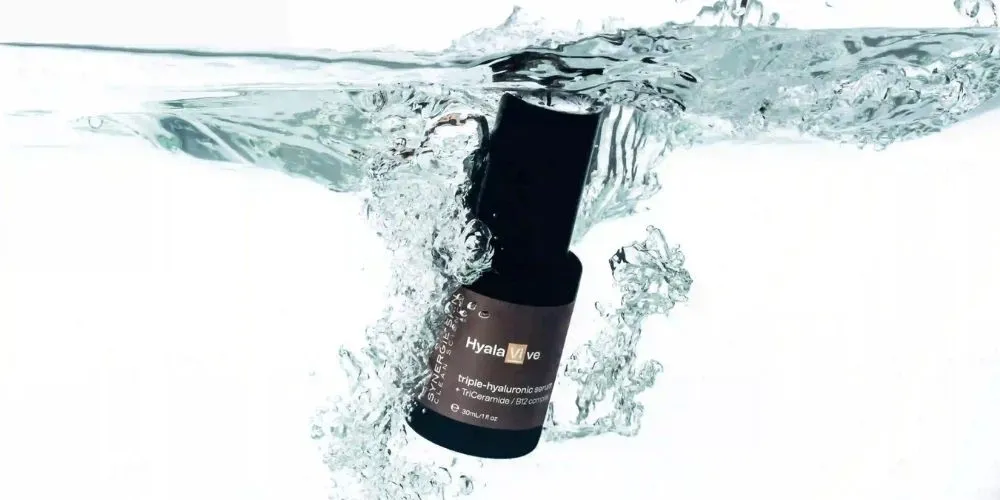
Vitamin B12 is a natural pink super-vitamin that helps to reduce the appearance of redness and supports the skin’s recovery process. Vitamin B12 studies have shown that topical application has helped reduce the appearance of redness and cracked skin. From our range, HyalaVive contains this potent vitamin along with TriCeramide Complex for a much-needed hydro-boost.
3. Hyaluronic Acid (HA)
HA plays a helpful role in maintaining the hydration of the skin. There are varying forms of HA; for deep absorption, look for products that contain low or ultra-low hydrolysed hyaluronic acid for supported barrier function, hydration and antioxidant benefits. This can be found in HyalaVive.
4. Ceramides
Ceramides can help increase hydration, reduce environmental damage, and calm the appearance of redness and support the skin barrier. This results in the appearance of smoother and firmer skin and fewer visible wrinkles.
5. Prebiotics and postbiotics
Prebiotics and postbiotics can be used in skincare formulations designed to support the skin microbiome. Prebiotics can help support beneficial microorganisms, while certain postbiotics have demonstrated potential to support skin barrier and skin microbiome function. I would therefore recommend the Dermiotic pre-serum elixir.
6. Vitamin A/gentle retinoids
Vitamin A has been researched for its role in the appearance of skin renewal and can form part of a long-term skincare routine. However, retinoids can also cause dryness, flaking, and irritation, particularly when the skin is sensitive or already compromised. If introducing or reintroducing vitamin A, consider a well-tolerated formulation and introduce it gradually according to your skin's needs. Encapsulated retinol, such as that found in Ultimate A, uses a delivery system designed to control the release of retinol.
7. Mineral sun protection
When it comes to sun protection, you know the drill, and if not, learn more about effective sun protection here! Constant sun exposure can wreak havoc on your barrier. Excessive sunlight can undo a lot of the good work you put into supporting the skin barrier. It is therefore vital to protect the skin, preferably with mineral zinc oxide, which provides daily environmental support. Zinc oxide (found in ÜberZinc) also comforts the skin whilst supporting the skin barrier. Mineral makeup containing high levels of zinc oxide, such as EnviroVeil, Second Skin Crush and MineralWhip foundations, can also be applied, provided the barrier isn’t severely damaged.
8. Appropriate moisturisers
Deeply hydrating, soothing moisturisers, or sensitive skin moisturisers, include HyDrolock, DermaCalm, and De-Stress. These are designed to be used for nurturing the barrier without skin irritation, depending on your skin type.
9. Occlusive products
If your skin barrier is compromised (perhaps due to post-treatment stress from skin needling, chemical peels, or certain light and laser therapies), an occlusive ointment can be a helpful step.
In the early days, keep the skin clean and protected, and consider applying an occlusive product over the top to support and shield the skin's natural barrier beneath it. An occlusive agent provides a moist, protective cover that helps reduce excessive water loss from the skin (otherwise known as TEWL: Trans Epidermal Water Loss), helping the skin stay comfortable and hydrated while the barrier settles. Petroleum jelly is often used as an occlusive, but this crude-oil-derived product is fairly rudimentary and doesn't contain the additional supportive ingredients found in more considered formulations. While I have no concerns about petrolatum for skin safety, it is not a highly sustainable option.
If your skin barrier feels dry, uncomfortable or flaky, opt for a more occlusive overnight option like Recover Balm or OccluSiderm. This soothing, hydrating balm contains gentle active ingredients that help support, protect and comfort a compromised skin barrier.
Your daily routine for a compromised skin barrier
Your daily skincare routine should be specific to your skin type and skin goals, but here are my top go-to products for general barrier support. As your barrier becomes more robust, you can add more actives such as a vitamin C serum and exfoliant:
Morning
1. BioCleanse
2. Dermiotic (pre/postbiotic balance)
3. HyalaVive
3. ÜberZinc (daily protective moisturiser)
4. Second Skin Crush or MineralWhip SPF40 (mineral makeup)
Evening
1. BioCleanse
2. Dermiotic
4. Ultimate A serum (a gentle form of retinoid)
5. HyalaVive
6. HyDrolock deeply hydrating moisturiser OR DermaCalm sensitive skin moisturiser OR De-Stress reparative oil
7. Recover Balm for a severely damaged barrier. This is a deep occlusive overnight therapy (don’t forget to protect your pillow from oil marks).
Additional products:
Luciderm: This product provides gentle, acid-free exfoliation without barrier irritation. This can be used AM or PM on alternate days, provided the barrier is not severely damaged.
Disclaimer: Please note that the information provided is for educational purposes only and should not be interpreted as medical advice. Always consult a healthcare professional for personalised recommendations regarding your skin health.
FAQs
What are the signs of a damaged skin barrier?
Damaged skin barrier symptoms can include dryness, flaking, tightness, redness, itching, and increased sensitivity or irritation.
Can the skin barrier repair itself?
The skin barrier has natural renewal processes. A gentle routine that supports hydration and reduces potential irritants can help support its recovery.
How do I know if my skin barrier is recovering?
Reduced dryness, flaking, tightness, and sensitivity can indicate that your skin barrier is recovering and becoming more resilient.
What ingredients should I avoid when my skin barrier is damaged?
Consider temporarily reducing strong exfoliating acids, abrasive scrubs, potentially irritating surfactants, and fragranced products, particularly if they cause discomfort.
