Context is everything.
.webp?v=1771369424896)
I'm often asked my opinion on the decision between using vitamins directly on the skin as serums or moisturisers versus taking them as oral supplements, so I've broken down my scientific perspective on vitamin A, B, C, as well as collagen. Before reading on, I would also direct you to our SynThesis Journal, which dives deeper into the science behind many of the oral supplements mentioned in this article. Now let's weigh up the benefits together!
Vitamin A
The Gold Standard in all cases?
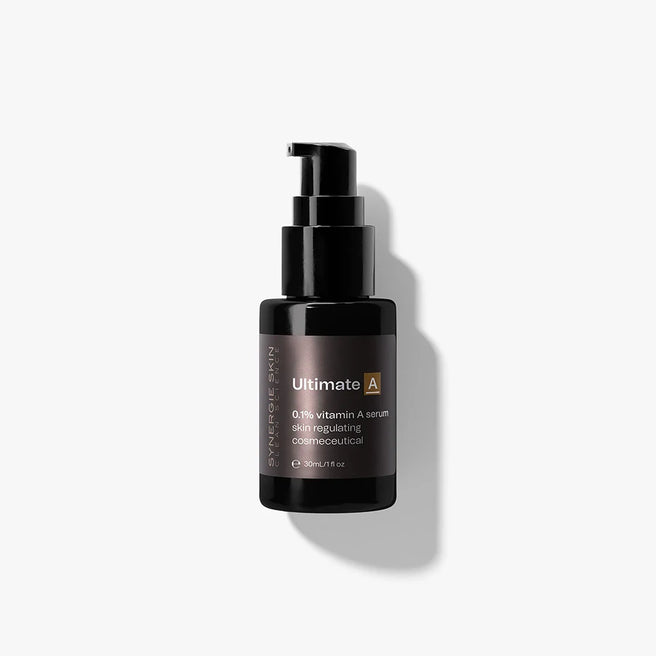
Vitamin A (aka retinoids) are considered the gold standard in any cosmeceutical skincare regimen. Topical vitamin A, such as Synergie Skin's Ultimate A, is now used to treat over 125 skin disorders, including acne, sun damage, hyperpigmentation and even dermatitis. Prescription forms of retinoids, commercially known as Steva-A, Retin-A and Differin, are effective but can cause skin dryness and irritation for some skin types.
Nonprescription Retinol, as a stabilised molecule, is now considered the ideal form of delivering topical vitamin A with maximum stability and effectiveness and minimal irritation. Vitamin A is a fat-soluble vitamin and, as such, can accumulate in the tissues if taken orally in high doses. Standard low-dose vitamin A supplements have been clinically evaluated in terms of treating skin conditions such as acne. Results suggest that low-dose oral supplementation may be ineffective at raising whole-body vitamin A levels.
Topical administration of vitamin A on a daily dosing schedule achieved levels up to 4-fold higher than standard vitamin A supplementation. When it comes to oral use of vitamin A, most people get all the vitamin A they need through their diet, such as in sweet potatoes, carrots, spinach, and cantaloupe. Too much vitamin A, however, lead to side effects such as headaches and blurred vision. In terms of treating the skin, topical retinol is the winner here.
.webp?v=1771369085057)
Vitamin B3 (Niacinamide)
Different forms, different benefits
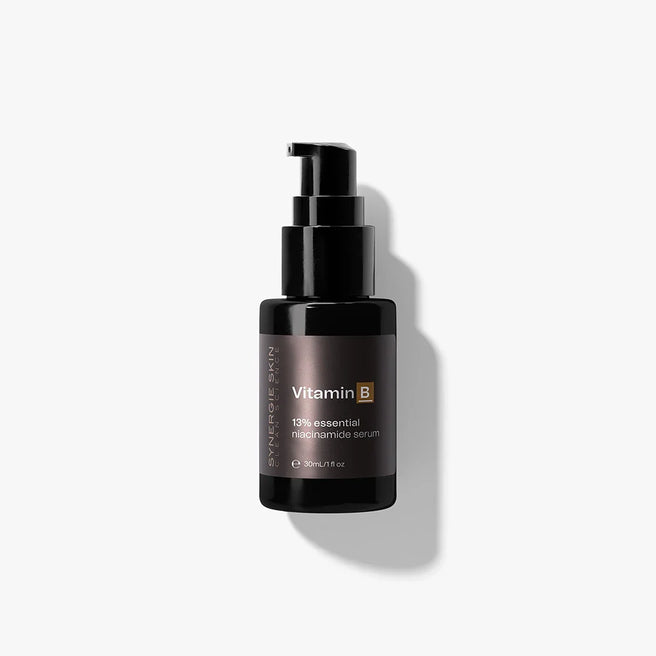
Topical vitamin B3 is a true all-rounder for skin health. It is used to treat acne, help regulate oil, strengthen the skin barrier, calm inflammation, and brighten uneven tone. As one of the most widely researched and tolerated active ingredients, it's why we include it in high concentrations in our award-winning Vitamin B serum.
Orally, vitamin B3 is found in protein-rich foods and green leafy vegetables like spinach, mushrooms, legumes, and whole grains. Most people get enough through a balanced diet. For those interested in internal support, NRgize+ contains both niacinamide and nicotinamide riboside chloride — two forms of vitamin B3 that support cellular function, energy metabolism, and healthy ageing. As part of a holistic routine, these nutrients may also support skin health from within.
In short? Topical niacinamide delivers targeted skin results, while internal B3 can complement your overall health and longevity approach.
Vitamin C
An essential antioxidant, inside and out
Vitamin C in the form of L-ascorbic acid is an essential component of skin health as an antioxidant, a critical factor for collagen synthesis and as a brightener. Vitamin C is crucial to photo-protection, decreases UV damage, and is very effective for wound healing. Topical application of vitamin C appears to be a very effective route for delivering L-ascorbic acid to the skin. L-ascorbic acid in the form of crystals is taken up by skin cells readily at an acidic pH below 3.5. Because of the instability of L-ascorbic acid in water, it is best to purchase it as a dry, refined powder that can be mixed directly with a serum at the time of application.
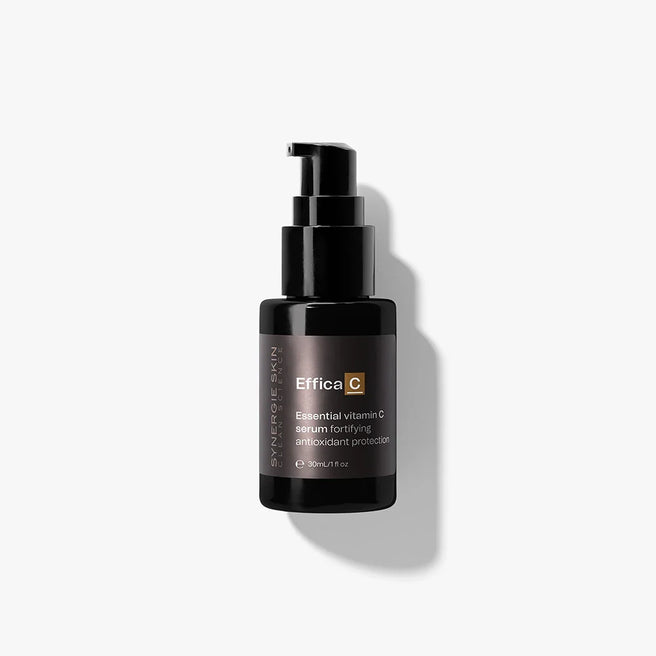
Alternatively, some L-ascorbic topicals are now available in a moisturising, lightweight oil base, such as Synergie Skin's Effica C. Since this base is water-free, it is stable, active and protected from degradation for two years. There is a variety of vitamin C supplements on the market. In my opinion, one of the best supplements for fighting internal free radical damage is the esterified form of vitamin C (C-Ester), which is more readily available to the cells compared to traditional L-ascorbic acid supplements. Data suggests that oral vitamin C in sufficiently high doses is effective in protecting against UV-free radical damage and can aid in skin healing. It is also important to ensure vitamin C supplementation is coupled with other micronutrients, such as vitamin E, iron and zinc.
Overall, the most conclusive clinically proven results for visible skin improvement are seen in topical L-ascorbic skincare over supplements. My advice is to ensure you have a diet rich in natural sources of vitamin C (fruits and veggies) and ensure adequate levels of iron and vitamin E are consumed. If the diet is low in C, esterified vitamin C is very effective.
.png?v=1771369243613)
Collagen
For skin radiance and free radical protection
Collagen is the scaffolding of our skin and maintains a firm and youthful appearance. It is continually produced by skin cells, but this slows as we age. Other factors such as UV and IR light, pollutants, cigarette smoke and dietary deficiency can inhibit collagen production. Whilst there are many collagen supplements on the market, unfortunately, many break down as soon as they encounter the stomach acids. This is because traditionally synthesised collagen molecules couldn’t penetrate through the gut wall (which is one cell thick) and enter the bloodstream. However, new scientific innovations have overcome this problem!
ProCollagen-C uses hydrolysed collagen peptides that can move through the gut wall and are therefore more bioavailable to the user. Boosted with vitamin C (ascorbic acid) and hyaluronic acid, this proprietary formulation supports skin elasticity, hydration, and collagen production, ensuring optimal collagen density, firmness and skin elasticity. So when it comes to collagen, my advice is that it all depends on your personal needs, but both topical and oral are equally advisable.
The bottom line:
As a cosmetic chemist, my advice is to consume a balanced diet with minimally processed food, coupled with quality supplements as required. Combined with a cosmeceutical skin care regimen to specifically target your skin concerns, you'll address it from inside and out. Most adults will benefit from supplements. However, it is advisable to consult a reputable nutritionist or qualified naturopath for the best advice.
I also advise against taking cheap vitamins. This is often a case of ‘you get what you pay for’ when choosing supplements. When it comes to living and looking my best, I try to practice what I preach. I do take several supplements daily for my general well-being. In addition to the SynTernals range, my supplement routine also includes Green Tea, Resveratrol, Curcumin, Chlorophyll, Seabuckthorn oil, Esterified vitamin C and vitamin D. I also try to eat a healthy diet of fresh fruit and veggies, seeds, yoghurt, ‘good’ fats and protein. When it comes to my skin, however, I know that the best results will be achieved by applying my ingredients directly to the areas of the face, neck, and body that I wish to treat.
Not sure what topical products are suitable for your skin type? Head to our Skin Quiz to find your routine. Your skin confidence begins here.