How combining them supports your skin routine.
If you have ever researched how to improve the look of surface discolouration, refine rough texture, reduce visible skin redness or support blemish-prone skin, you have likely been told to pick a single active and stick with it. The prevailing advice often presents Vitamin A and Azelaic Acid as competing choices, forcing you to select between retinoids or azelaic acid.
This binary approach is a false dilemma backed by outdated thinking. Current literature increasingly suggests that Vitamin A and Azelaic Acid do not compete; instead, they offer complementary skin benefits that can enhance your skincare routine when paired thoughtfully.
What Vitamin A Does for Your Skin
Before exploring how these ingredients work alongside one another, it is helpful to understand the individual role of Vitamin A. Widely valued in pro-ageing cosmeceuticals, Vitamin A (including forms such as retinol, retinal, and HPR/hydroxypinacolone retinoate) is researched for its ability to support the appearance of the skin surface in terms of improved texture, tone, smoothness and reduction of fine lines.
Key Cosmetic Benefits of Vitamin A
- Supports Visible Surface Skin Renewal: Vitamin A helps promote gentle surface skin renewal, encouraging a noticeably smoother, more refined texture.
- Softens the Appearance of Fine Lines: By supporting skin resilience, retinoids help smooth the look of expression lines, fine wrinkles and crepey contours.
- Minimises the Appearance of Congestion: Helps refine the appearance of enlarged pores and reduces visible surface congestion.
- Reduces the appearance of uneven skin tone: Vitamin A supports the skin to improve skin brightness and the reduction of visible dark spots.
By supporting the skin's resilience and the natural surface renewal cycle, Vitamin A acts as a versatile active for overall skin refinement.
What Azelaic Acid Does for Your Skin
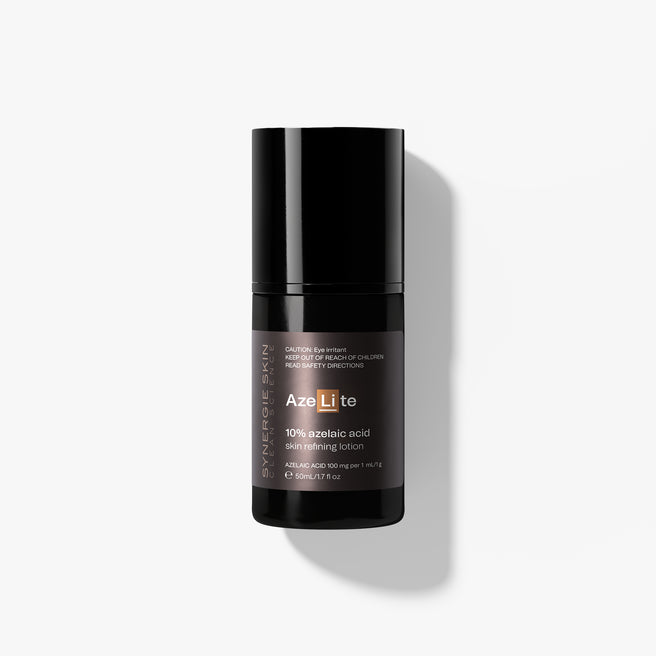
Azelaic Acid is a naturally occurring dicarboxylic acid celebrated in dermatological research for its multi-tasking capabilities, particularly for uneven skin tone, sensitive skin, blemish-prone, or redness-prone skin. Operating through skin pathways distinct from Vitamin A, Azelaic Acid supports surface clarity and even tone.
Key Cosmetic Benefits of Azelaic Acid
- Visibly Calms Redness: Azelaic Acid excels at soothing the look of temporary surface reactivity, blotchiness, and flushing, making it a popular choice for sensitive skin types.
- Skin Brightening: It acts on areas of uneven tone and post-blemish discolouration, helping to support a more uniform, luminous complexion.
- Clears Visible Congestion: Helps clear the appearance of surface congestion and supports clearer-looking, blemish-prone skin without causing harsh discomfort or dryness.
As an individual ingredient, Azelaic Acid is widely recognised for calming, brightening, and supporting complexions prone to unevenness.

Why They Work Better Together
The value of combining Vitamin A and Azelaic Acid lies in their complementary roles. Rather than duplicating effort or overwhelming the skin, each active addresses different aspects of common concerns — such as uneven tone, redness, rough texture, and blemish-prone congestion.
Research suggests that pairing a retinoid with Azelaic Acid offers versatile visible benefits compared to relying on a single ingredient alone:
- Dual-Action Tone Support: While Vitamin A supports surface renewal, Azelaic Acid helps improve the appearance of uneven tone and post-blemish discolouration marks.
- Enhanced Skin Comfort: Vitamin A can sometimes induce mild surface peeling or temporary dryness during the initial adjustment phase. Azelaic Acid’s inherent soothing properties help sensitive skin and calm the appearance of redness, supporting overall skin comfort while adapting to retinoids.
- Comprehensive Clarity: Vitamin A helps minimise the appearance of congestion, while Azelaic Acid supports a clearer, more balanced-looking surface with reduced pore size, using complementary pathways.
What This Means for Your Skin Specifically
Connecting the research back to your personal routine depends on your primary skin focus:
- If your focus is Post-Blemish Discolouration or Sun Exposure related skin discolouration: Pairing these actives supports a luminous, even-looking complexion.
- If your focus is Blemish-Prone Skin, Enlarged Pores, Visible Oily Shine and Congestion: You receive the texture-refining benefits of Vitamin A alongside the calming, balancing and clarifying properties of Azelaic Acid without stripping your delicate skin barrier.
- If your focus is Redness, Pro-Ageing and Texture: The combination smooths visible surface roughness while reducing the appearance facial redness, delivering a refreshed, even-toned and radiant appearance.
How to Introduce This Pairing into Your Routine
If you choose to incorporate both actives into your regimen, doing so does not require overwhelming your skin barrier. To support skin integrity, follow these practical, step-by-step guidelines:
- Phase It in Gradually: If you are new to Vitamin A or Azelaic Acid, introduce one active at a time to establish baseline tolerance before combining them.
- Split Morning and Evening Application: Apply an Azelaic Acid treatment in the morning to calm, reduce visible redness and provide daytime support. Reserve your Vitamin A serum for night-time application to support overnight surface renewal and addressing skin tone.
- Alternate Nights (For Sensitive Skin Types): If your skin is prone to reactivity, alternate nights between your retinoid serum and Azelaic Acid.
- Anchor with Barrier Support: Always pair active serums with a barrier-supportive, lipid-rich moisturiser and always complete your morning routine with daily physical solar protection.
Choosing the Right Vitamin A for Your Skin
While Azelaic Acid supports visible redness, congestion, skin tone and calming the skin, selecting a high-performing, non-irritating Vitamin A is the true anchor of any texture improving and pro-ageing routine. At Synergie Skin, our retinoid serums are formulated with advanced delivery technologies to achieve maximum visual results with minimal disruption:
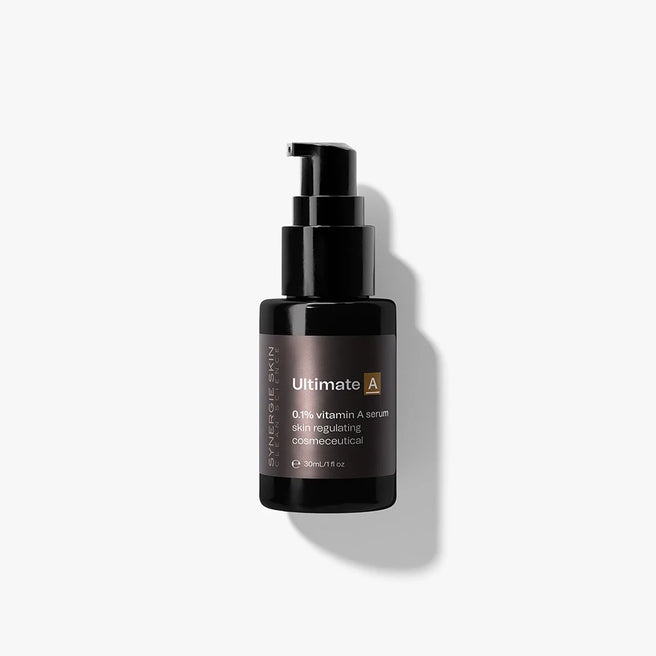
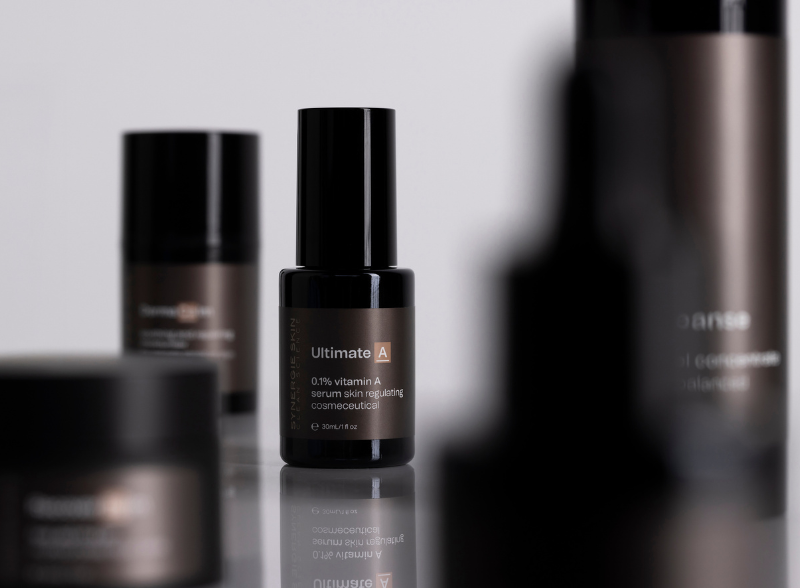
- Ultimate A: Our essential entry-level Vitamin A serum utilising stabilised retinol. Ideal for first-time users and sensitive skin types looking to refine texture, clear congestion, and support smooth, radiant skin.
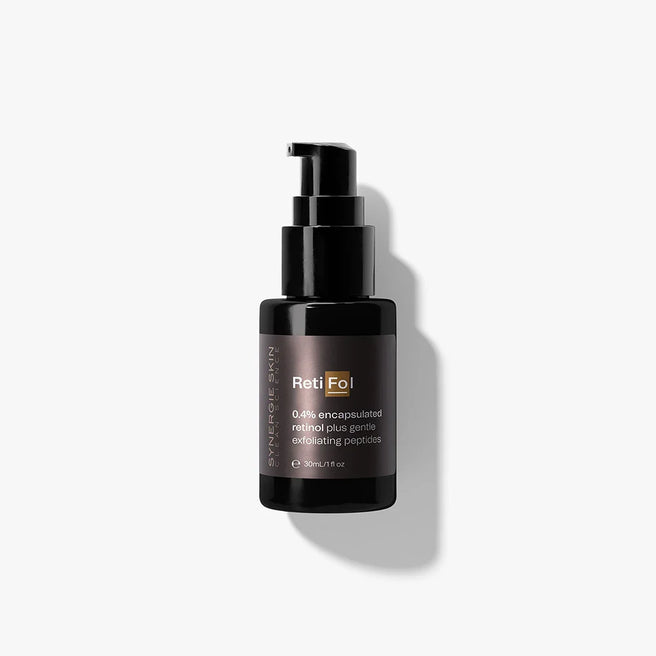
- RetiFol: An advanced 0.4% encapsulated retinol serum paired with acid-free resurfacing peptides. Designed as a step-up formulation for skin that has built tolerance to Ultimate A, helping improve the appearance of uneven skin tone and fine lines.
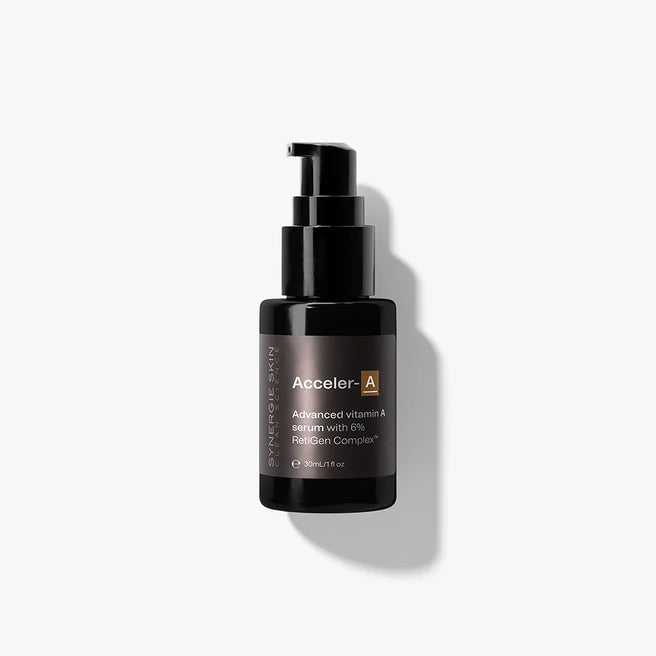
- Acceler-A: A next generation night retinoid serum built on a 6% RetiGen Complex of Hydroxypinacolone Retinoate (HPR). Formulated for more robust skin types comfortable with an active retinoid routine, it supports skin renewal, skin tone, surface congestion and visible pro-ageing results. Those with sensitive skin may prefer to stay with gentler Ultimate A serum as their long-term vitamin A.
By moving past outdated single-active rules, you can embrace multiple active pathways using a thoughtful approach that supports smoother, clearer, and more radiant-looking skin.
Unsure which Vitamin A formulation is right for your routine? Take our interactive Skin Quiz or consult with a Synergie Skin specialist to build your ideal regimen today.