I used to step off long-haul flights looking like a raisin who aged five years in the sky. Tight, dull, dehydrated skin - the kind that makes you avoid airline mirrors. So, after years of travelling internationally, I got serious about figuring out what was actually happening to my skin at 35,000 feet, and more importantly, what to do about it.
Here's everything I now know and everything I actually do.
Why Planes Are Basically Kryptonite for Your Skin
Let's start with the science, because once you understand why your skin suffers, the solutions make a lot more sense.
The air inside an aircraft cabin typically has a humidity level of under 20%. On the ground, we're used to humidity levels of between 30–65%. That's a dramatic drop, and your skin feels every bit of it. Low humidity triggers what's called trans-epidermal water loss (TEWL) – essentially, your skin loses moisture to the surrounding air faster than it can replace it. The result? That tight, papery, about-to-crack, dull feeling you know so well after a long flight.
Add the altitude-related changes in your blood and lymph circulation, recycled cabin air, and maybe a sneaky glass of wine you didn't need, and you've got a pretty hostile environment for your skin. But it's absolutely manageable. And here's how….
During the flight
Hydration starts from within
I cannot stress this enough: drink water. Constantly. I aim for around 250ml every hour – yes, I know that means extra trips to the bathroom, and yes, it is worth it. Internal hydration is the single most effective thing you can do for your skin (and your head) on a long flight.
What I avoid: alcohol, coffee, cola, energy drinks and any drink with high caffeine. All are natural diuretics, which means they actively pull fluid from your body. And here's something most people don't know: because there's less water in your blood when you're dehydrated, the concentration of any alcohol you do drink is proportionally higher, which leads to quicker intoxication and a much worse hangover when you arrive at your destination.
Bonus: staying well hydrated also helps combat that horrible puffiness and bloating that hits somewhere over the Indian Ocean.
In-flight facial treatment
Pack light, pack smart. For international flights, remember the 100mL liquid rule and honestly, you don't need much more than that.
Lips
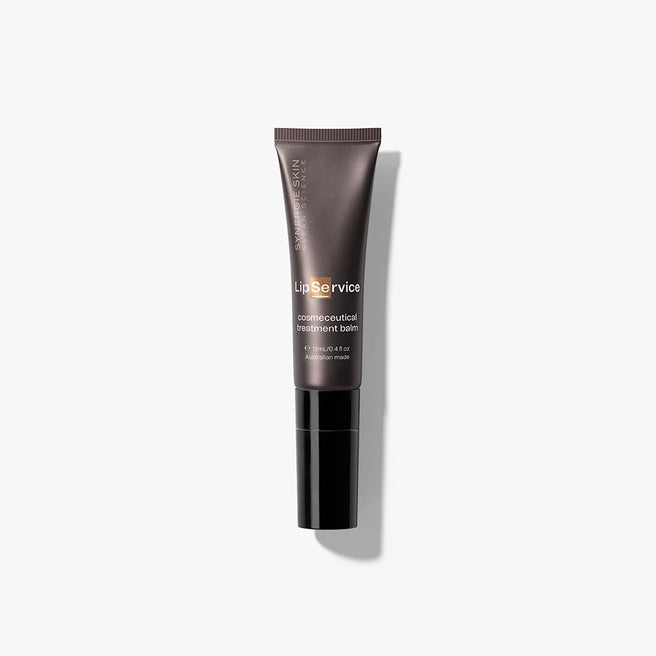
Your lips are the first place to dry out on a plane because they are much more vulnerable than the rest of your face. They are made of a mucosa and have no oil glands so are completely at the mercy of the ambient humidity. LipService is my non-negotiable. It goes on before I board and every couple of hours throughout the flight. This way, I arrive with plump, hydrated lips rather than the cracked, tight feeling I used to dread.
Eyes
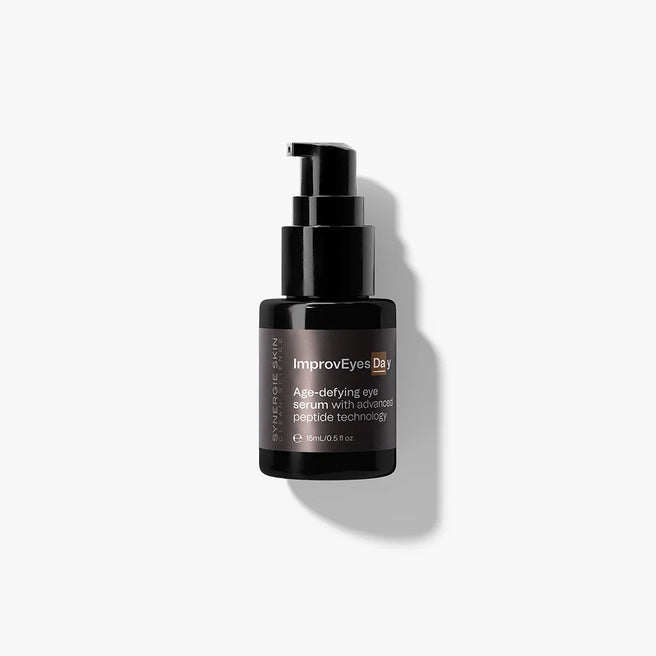
I always switch from contact lenses to glasses for long flights. The dry cabin air is genuinely uncomfortable for lens wearers and can leave your eyes irritated by the time you land. I keep hydrating eye drops on hand (I like Systane) and apply ImprovEyes Day eye serum to help my eye area look refreshed and feel comfortable.
One of my favourite in-flight tricks: soak thin cotton pads in ImprovEyes Day, add a tiny splash of water, and tuck them under your eye mask while you sleep. A DIY eye treatment at 38,000 feet.
Facial Hydration
I reapply moisturiser every two to three hours on any flight over eight hours. No exceptions. My go-to choices depending on skin type:
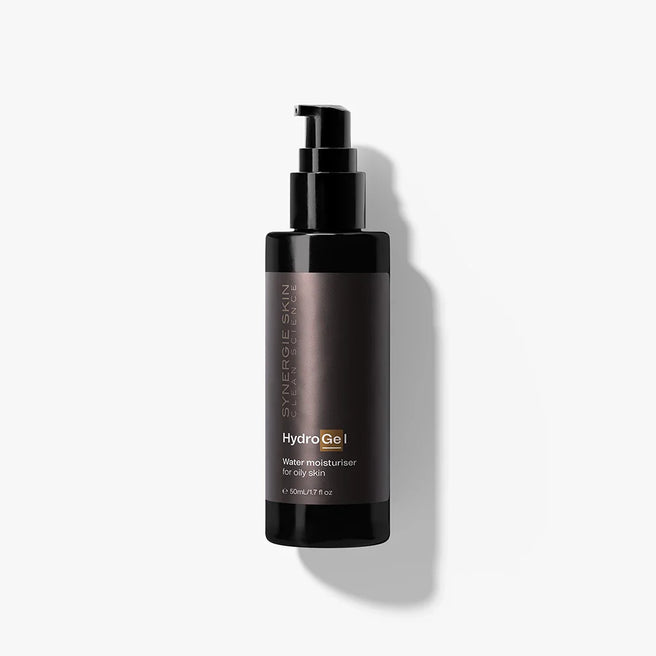
- HydroGel – my recommendation for oily or blemish-prone skin. Lightweight, hydrating, and won't feel heavy in the cabin.
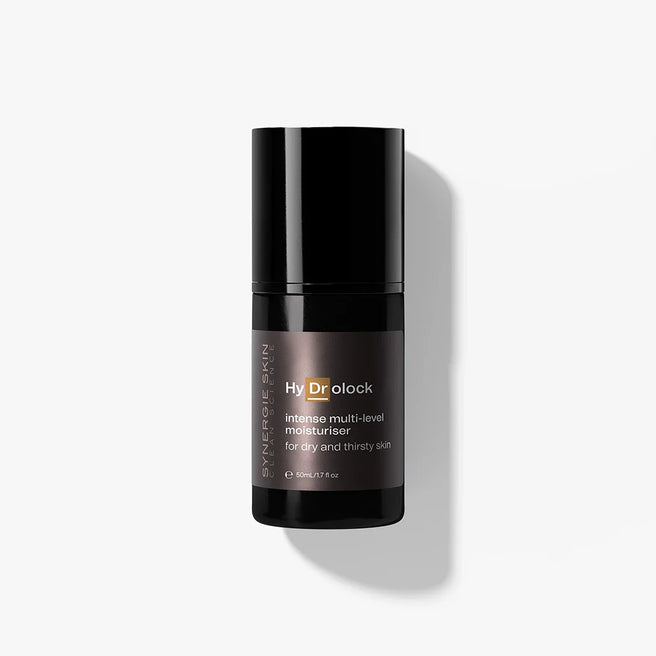
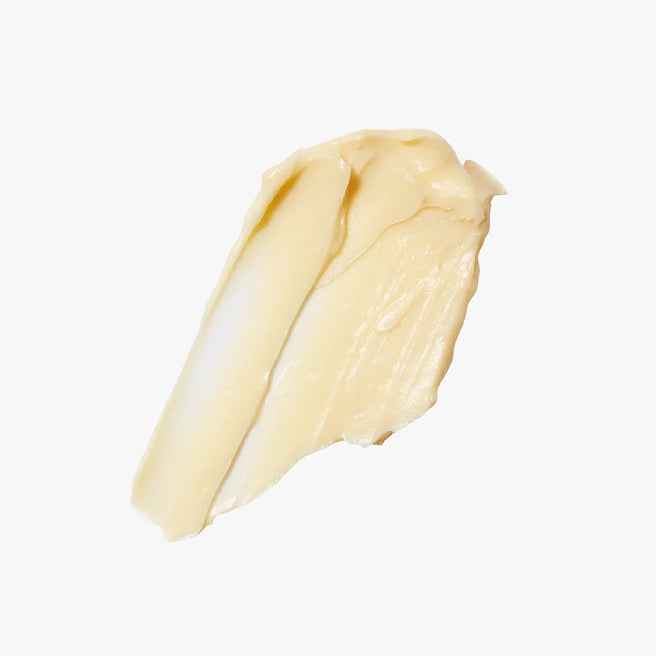
- HydroLock – my personal favourite for plane travel. Rich and deeply nourishing for dry or more mature skin and your best friend for the dry cabin environment.
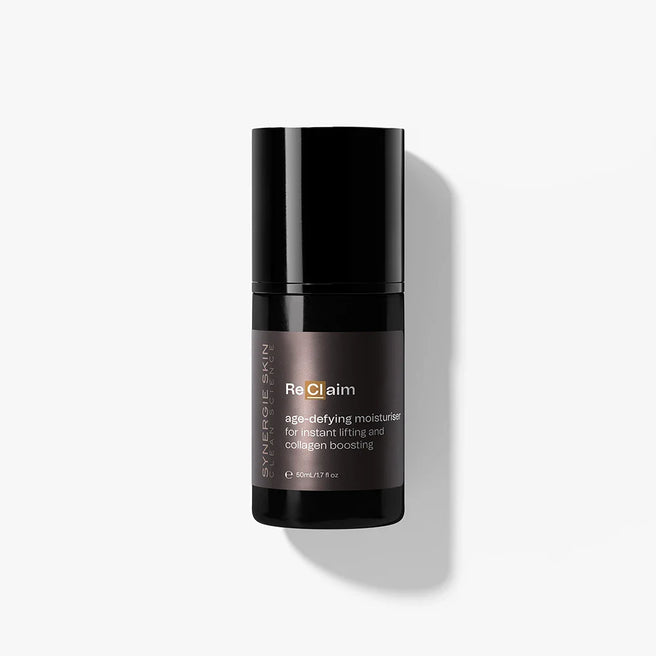
- ReClaim – a beautiful all-rounder for most skin types.
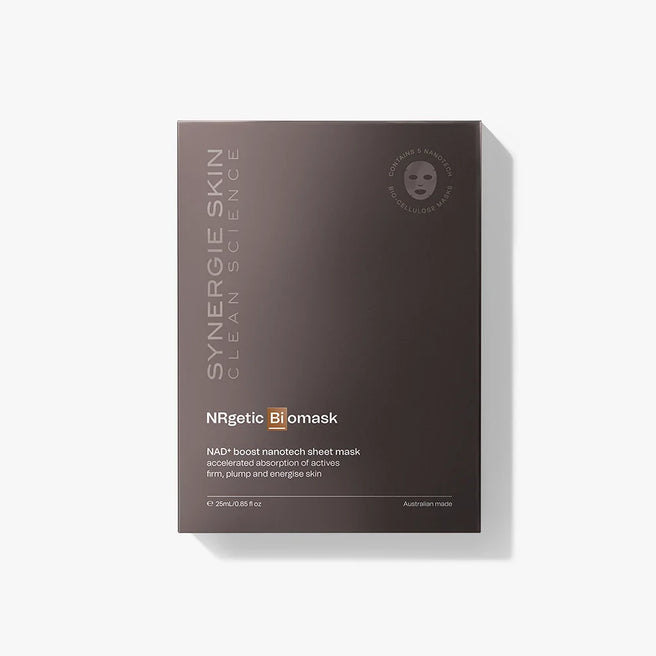
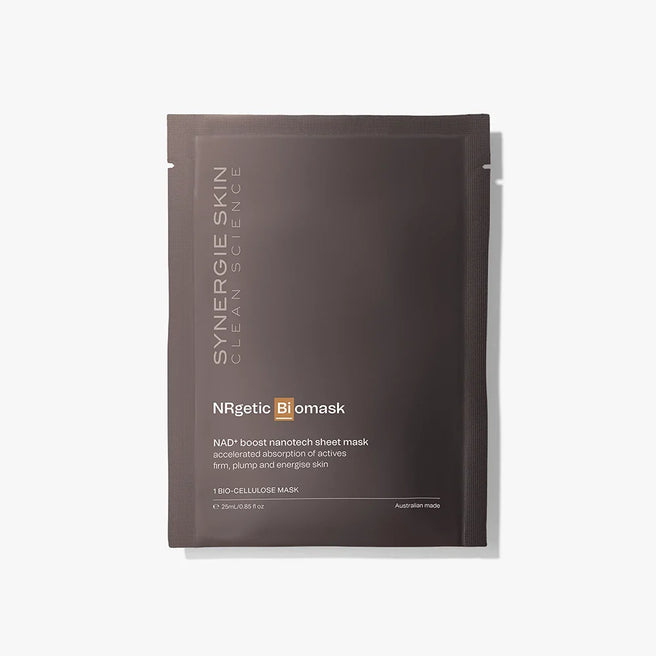
- NRgetic Biomask – I love this for all skin types as an intensive mid-flight or post flight treatment. It totally reinvigorates your skin!
And please, whatever is left on your hands after applying to your face, rub it in your hands. Your hands get dehydrated on planes too!
Cleansing
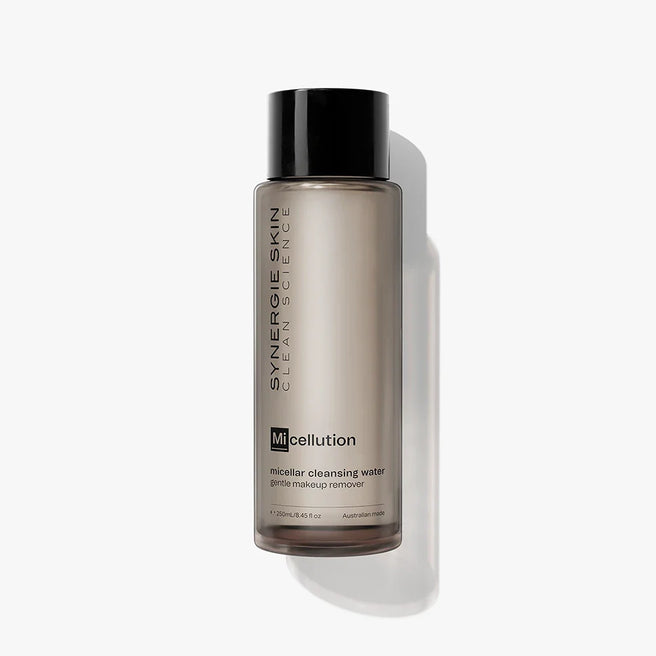
I'm a huge fan of Micellution cleansing water for travel. No rinsing required, no mess, no fuss. You can use it right in your seat with a few cotton pads. If you don't want to carry a travel bottle, pre-moisten four or five cotton pads at home and pop them in a small snap-lock bag. Simple and effective.
Nose
That dry, uncomfortable sensation inside the nose is one of my least favourite parts of travel, and keeping the nasal lining comfortable can also help prevent the irritation that sometimes leads to nosebleeds at altitude.
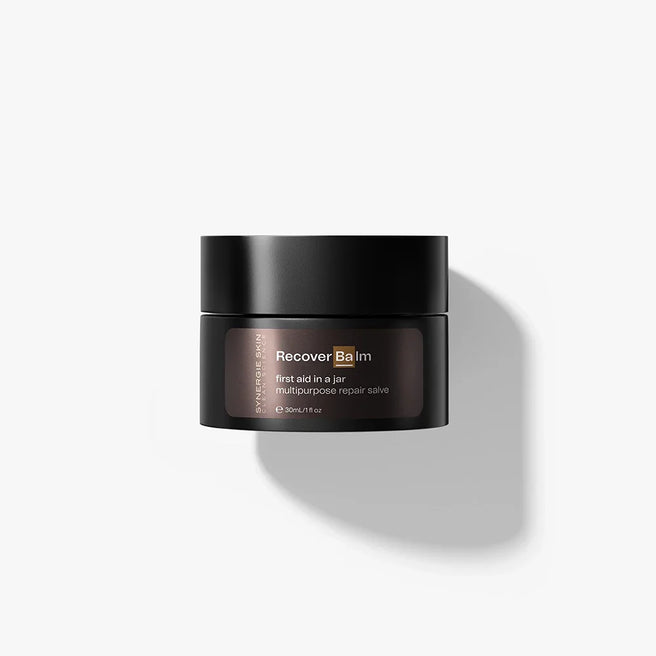
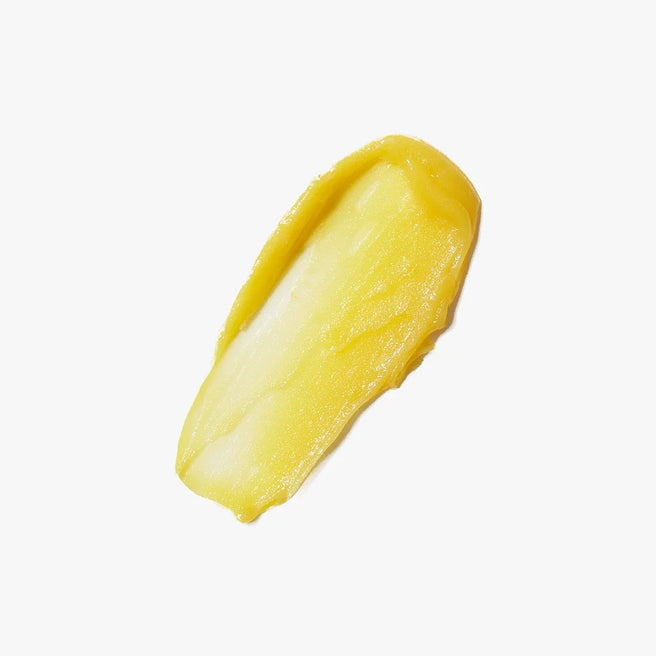
I apply RecoverBalm as needed inside my nostrils using a cotton bud before and during long flights.
-v1716435172803.webp)
Keep moving
Deep vein thrombosis (DVT) is a serious risk on long-haul flights, particularly for those with circulation issues, diabetes, clotting disorders, or anyone sitting still for extended periods. I get up and walk the aisle at least once an hour, do some gentle calf raises in my seat, and wear compression socks on any flight over eight hours. If you haven't tried compression socks, please do. Your legs will thank you when you land.
Food
Due to the reduced cabin pressure at altitude, gas in your digestive system expands, which means bloating is genuinely more likely on a plane than on the ground. I avoid high salt, too many carbonated drinks. I also steer clear of foods known to cause bloating like cauliflower, onion, and legumes.
If plane food is not for you, pack your own non processed snacks: nuts, seeds, fresh berries, veggie sticks, and yoghurt. It takes five minutes to prepare and makes a real difference to how you feel when you land.
Hygiene
The dry cabin air is not the only thing working against you. Aeroplanes are, objectively, some of the least hygienic environments most of us regularly pass through. Tray tables in particular have been shown to harbour significant microbial contamination, including cold and influenza viruses. Airline bathrooms – well, the less said, the better.
I carry a small sanitising gel and give my seat area and the bathroom surfaces a wipe before settling in. I also love baby wipes for a general freshen-up mid-flight. Just look for sustainable brands without parabens or unnecessary chemical additives. And even if they are compostable, don’t flush them!
Sleep
This is genuinely my biggest challenge. I am not a natural plane sleeper. Here's what helps me:
A comfortable, not-too-tight eye mask is essential. Earplugs or noise-cancelling headphones make an enormous difference. Even without music, they mute the constant background drone of the engine, which is more exhausting than most people realise. I tested about six different pairs before finding ones I could sleep in comfortably. They’re worth the investment.
I've never loved those U-shaped neck pillows. I find they push my head forward uncomfortably. Instead, I shape the adjustable headrest panels firmly against each side of my head. There are also some new and improved supportive neck rests which are worth the investment to genuinely wake up without a frozen neck.
After the flight
To reduce the severity of jet lag, I try to get around fifteen minutes of direct sunlight (without sunglasses) shortly after landing. Light exposure is one of the most powerful signals to your body's circadian clock, as it tells your internal system what time zone it's now operating in.
I also use Valerian root or low-dose melatonin (1mg or less) before bed for the first couple of nights in a new time zone. Melatonin is a hormone your body produces naturally to regulate sleep cycles, and a small supplemental dose can genuinely help reset your rhythm when switching time zones. As always, check with your health practitioner for what's right for you personally.
Facial hydration
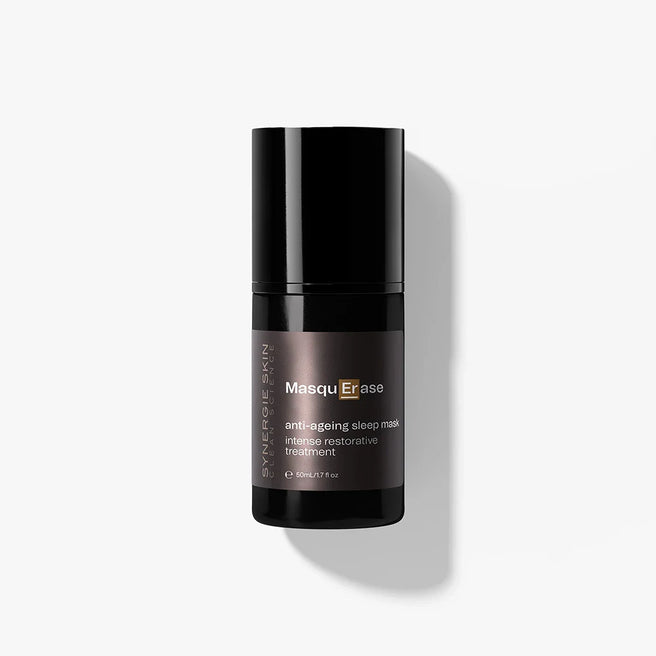
The very first thing I do when I reach my hotel room, is apply MasquErase as an overnight mask. After hours in that desiccating cabin air, my skin is thirsty. MasquErase helps the skin look plump, comfortable, and replenished by morning. I wake up looking like I've had a full night of rest rather than a transatlantic red-eye.
.webp?v=1716435224002)
My Quick-Reference Packing List
For easy packing, here's everything I take:
- LipService – hydrating lip treatment
- ImprovEyes Day – eye serum (doubles as an in-flight eye treatment)
- Hydrating eye drops (Systane or similar)
- Moisturiser suited to your skin type (HydroGel, HydroLock, ReClaim, or NRgetic Biomask)
- Micellution cleansing water (or pre-moistened cotton pads in a snap-lock bag)
- RecoverBalm + cotton buds
- Compression socks
- Sanitising gel + wipes
- Comfortable eye mask + silicone earplugs or noise-cancelling headphones
- MasquErase – for your first night at the destination
Travel well, and take care of your skin while you do it. Your future self, the one who lands looking actually human, will be very grateful.