Our skin is designed to exfoliate naturally. In fact, the average young adult generates a whole new skin surface every 30 days. However, as we age this process slows, underscoring the importance of exfoliation in any skincare routine aimed at preserving the longevity of our complexion. So let’s get beneath the surface of the various external methods of exfoliation.
What is exfoliation?
Exfoliation is the process of removing dead skin cells from the skin's surface to help create a visibly smoother, clearer, and healthier skin. In doing so, this valuable skincare method unclogs pores, improves skin texture, and supports natural cell renewal.
According to an article published by the Cleveland Clinic, the skin continuously produces new cells to replace the approximately 40,000 old skin cells shed every day. In healthy young skin, this renewal cycle completes itself every 30 days.
Why does skin exfoliation fall out of balance?
The skin's natural exfoliation cycle may be disrupted by a number of factors, including the natural ageing process, hormonal changes, and certain skin conditions such as eczema or psoriasis. When this occurs, dead cells either linger on the surface or accumulate faster than the skin can shed them, resulting in a dull, uneven, or congested-looking complexion.
Skin concern | What happens to natural exfoliation | Result |
Ageing skin | Cell turnover slows, dead cells accumulate | Dull, rough, and uneven complexion |
Excess cells clog pores with oil and bacteria | Blackheads, whiteheads, and breakouts | |
Eczema / psoriasis | Overproduction of skin cells disrupts the surface | Flaking, irritation, and congestion |
Whilst exfoliation disruption can feel overwhelming, it doesn't mean your skin is beyond help. External exfoliation methods can work harmoniously alongside your skin's natural exfoliation to restore balance, improve cell turnover, and keep your complexion radiant and revitalised.
What exfoliants can be used in my skin routine?
Understanding your skin concerns intimately will allow you to determine the best type of exfoliant for you. There are five broad exfoliant types, each suited to different needs: chemical, enzymes, physical exfoliants, microfoliation, and in-clinic treatments.
1. Chemical Exfoliants
Chemical exfoliants use acids — typically alpha hydroxy acids (AHAs) such as lactic, malic, or mandelic acid and beta hydroxy acids (BHAs) such as salicylic acid — to dissolve the bonds between dead skin cells. They're suitable for most skin concerns, except for sensitive or sensitised skin.
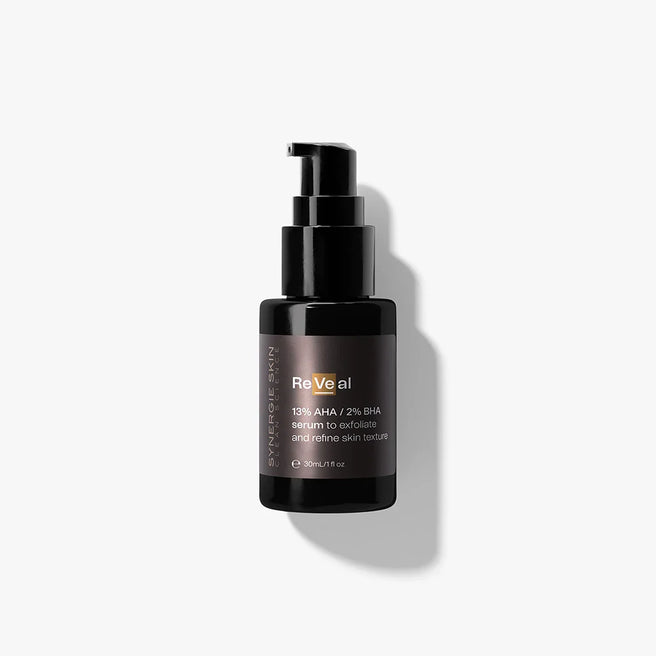
Synergie Skin's ReVeal combines both AHAs and BHAs in a single, elegant exfoliating serum, allowing the skin to shed more effectively. ReVeal will also remove surface UV damage, increase hydration, and balance uneven skin tone whilst reducing the appearance of fine lines.
2. Resurfacing Enzymes
For those managing rosacea and eczema, an acid-free exfoliant is a good choice. These exfoliants harness resurfacing enzymes for a gentler alternative that breaks the protein bonds between surface skin cells, which accelerates the natural cell-shedding process.
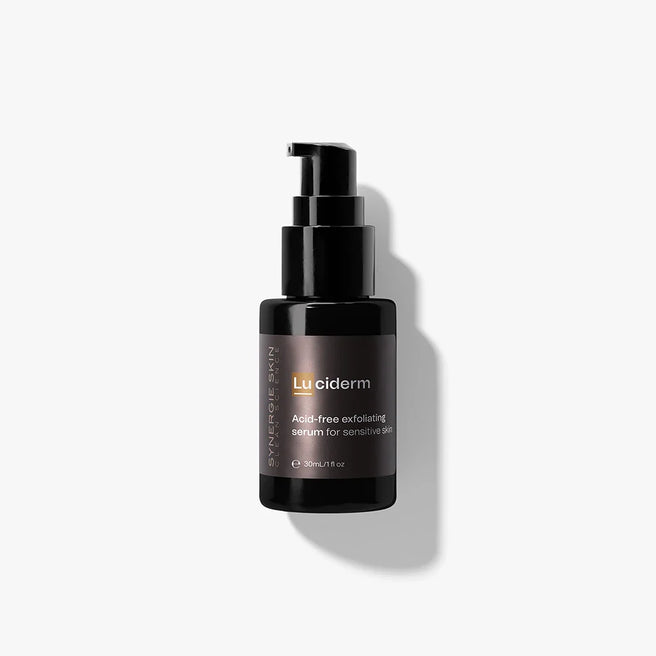
Synergie Skin's Luciderm is one such acid-free exfoliating serum that uses resurfacing enzymes to help reduce visible flaking. With consistent use, it can help achieve a more luminous, even skin tone and texture.
3. Physical Exfoliants
Physical exfoliants use scrubbing particles to manually lift dead cells from the surface. Common products in this category include botanical husks, coffee grinds, sugar, and salt. One of our fan favourite physical scrub agents is aluminium oxide (corundum) crystals, which is the same material used in microdermabrasion machines. This exfoliant is an excellent choice for addressing surface roughness, blackheads, and dead skin build-up.
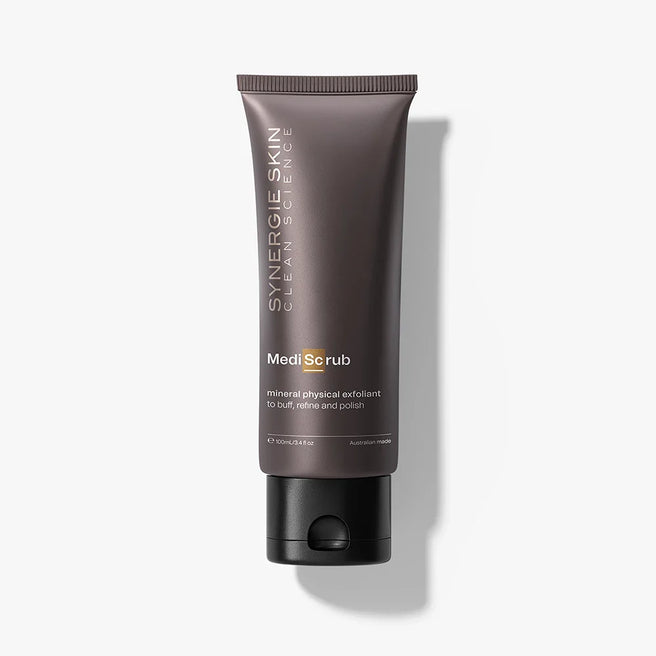
Synergie Skin's MediScrub is a physical exfoliant formulated with corundum crystals, ideal for those looking for a more mechanical approach to exfoliation. However, we would still recommend a gentler option for those with sensitive skin or a compromised barrier.
4. Microfoliation
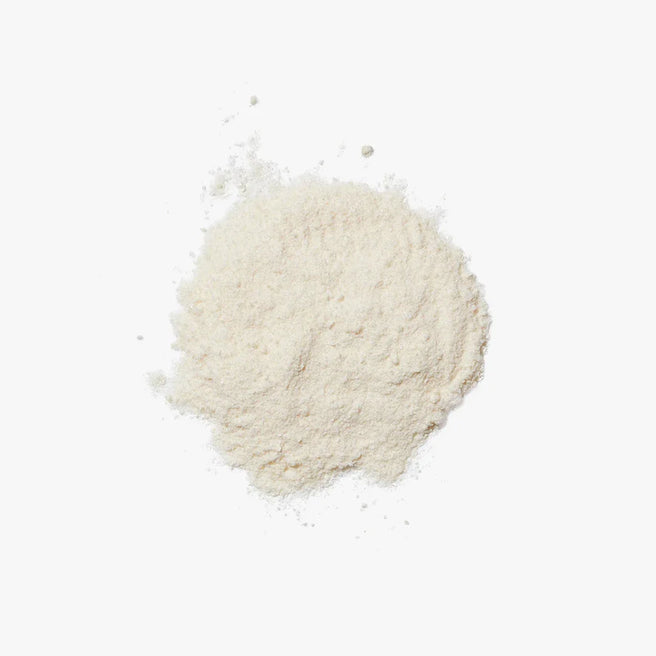
‘Micro’ (meaning microscopic) and ‘foliation’ (referring to exfoliation) is the process of using finely ground particles to gently lift loose surface cells, rather than using more deeply exfoliating ingredients. Using microfine botanical particles such as rice bran powder works much harder to remove surface impurities in comparison to using a cleanser; however, this process is not nearly as intense as traditional exfoliating. Rice bran powder also possesses numerous additional cosmeceutical skin benefits for anti-ageing and brightening uneven skin tone.
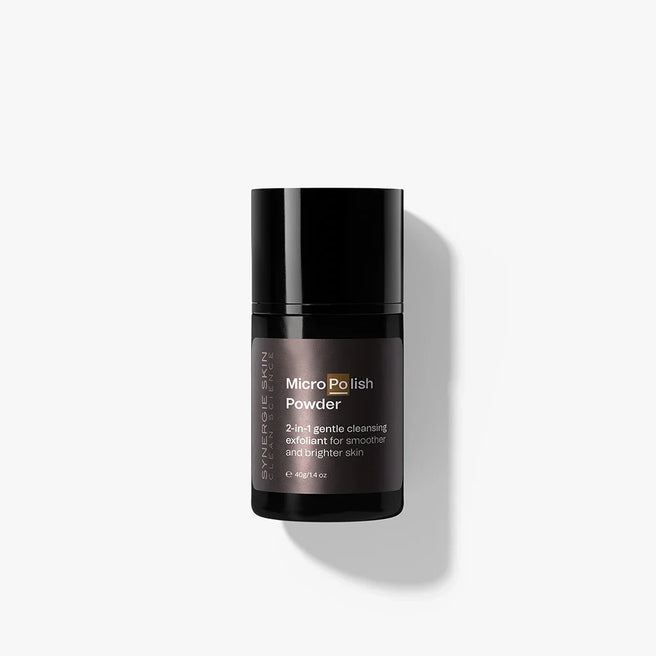
Synergie Skin's MicroPolish Powder exemplifies this approach with elegance and efficacy. It is a microfoliant powder that can be used daily and, because it is gentler than traditional exfoliants, is suitable for all skin types.
5. In-Clinic Professional Chemical Peels
Chemical peels are a popular and potent form of exfoliation in the context of a professional treatment. This method provides a higher level of exfoliation and should only be performed by an experienced skin therapist.
Synergie Skin advises that you consult your skin therapist and do not undergo peels excessively, as this will ultimately thin and damage the skin barrier over time. A good therapist will always tailor a personalised treatment schedule for your unique skin requirements.
Bonus: My At-Home MiniPeel
For those with robust skin, if you would like to indulge in a home MiniPeel for supercharged overnight exfoliation, we encourage you to try mixing Synergie Skin's ReVeal with Pure-C crystals. Thoroughly cleanse the face and apply a mix of 4-parts ReVeal with 1-part Pure-C crystals, then leave overnight. As previously mentioned, this MiniPeel is advised for robust skin and not suitable for sensitive skin. Do not use retinoids or vitamin B in the same evening as this treatment, as the acidity of the MiniPeel is not compatible with vitamin A and B serums.
Still unsure what your skin needs? Take our skin quiz for personalised product recommendations, or book a free virtual skin consultation with one of our qualified skin therapists.
FAQs
What is exfoliation, and why is it important for skin?
Exfoliation is the process of removing dead skin cells from the surface of your skin. It is important because it supports natural cell turnover, unclogs pores, improves skin texture, and allows active skincare ingredients to penetrate more effectively.
How to exfoliate skin safely at home?
To exfoliate safely at home, begin with a clean face, choose an exfoliant suited to your skin sensitivity or concerns, and apply to damp skin using gentle pressure. Rinse thoroughly and follow with a moisturiser and SPF.
If you are unsure which exfoliant is suitable for your skin type, consider speaking with a skin therapist for personalised guidance.
Do you exfoliate on dry or wet skin?
Most chemical and enzyme exfoliants are best applied to damp skin, as moisture helps spread the formula evenly and reduces the risk of irritation. Physical exfoliants can generally be used on either damp or dry skin.
How many times a week should you exfoliate your skin?
Harvard Health suggests most skin types benefit from exfoliating two to three times per week. Sensitive, dry, or combination skin may only need one exfoliation per week.
Can exfoliating cause itchy skin?
Over-exfoliating or using an exfoliant that is too strong for your skin can cause itchiness and irritation. If you experience discomfort after exfoliation, reduce the frequency or switch to a gentler option.
How can I exfoliate my skin if I have sensitive skin?
For sensitive skin, choose an acid-free enzyme exfoliant or a gentle daily microfoliant. Avoid strong AHA/BHA formulas, physical scrubs, and excessive frequency.
[Disclaimer: This blog is for informational purposes only and does not substitute professional medical advice. Consult a dermatologist or skincare professional for specific concerns.]


.png?v=1734407380802)