Your guide to niacinamide.
If you're a longtime fan of the Synergie Skin range, it's highly likely you already know something about the transformative power of vitamin B for skin. Niacinamide, a form of vitamin B3, has earned its mainstream reputation as a "multitasking superstar" in modern cosmeceuticals. But regardless of where you happen to be in your skincare journey, understanding how niacinamide serums work is the first step toward building a more refined skin routine, and in turn, a more radiant complexion.
-v1771899472109.webp)
What is Vitamin B3 (Niacinamide)?
Vitamin B3, commonly known as niacinamide, is a water-soluble vitamin that isn’t produced naturally by your body, which means it must be applied topically to reap the vitamin B benefits for skin. Unlike some less gentle actives, niacinamide for skin is celebrated for its compatibility with almost all skin types, from sensitive to oily. So, if you're wondering whether all the hype around vitamin B is relevant to you, the answer is a resounding yes!
How Vitamin B Works: The Science of Resilience
At a cellular level, vitamin B provides a whole host of positive benefits for your skin by:
Boosting Ceramide production
It stimulates the production of ceramides, the lipids that keep your skin barrier strong and moisture locked in.
Managing energy
It plays a vital role in cellular energy (ATP), helping skin cells repair and regenerate more efficiently.
Controlling oil
It helps regulate sebum production, preventing the "shiny" look often associated with congestion.
Vital skin protein production
Niacinamide supports dermal collagen for skin firmness and barrier, supporting keratin
For those curious about vitamin B's compatibility with other skincare, it is important to understand the "acid rule." You should generally avoid mixing acidic skincare products with vitamin B3 in the same application to prevent facial flushing or reduced niacinamide efficacy.
.webp?v=1771899743306)
Skin Concerns that Vitamin B Can Address
If you are experiencing any of the following, a high-quality vitamin B serum may be the missing piece of your skincare puzzle:
Redness and inflammation
Calms the skin and reduces irritation and redness.
Barrier impairment and loss of hydration
Increased ceramide production boosts the water-holding capacity of the skin.
Oil regulation
Helps regulate excess oil production, particularly for oily and acneic skin, without disrupting natural oil flow.
Uneven skin tone
Addresses hyperpigmentation and promotes a brighter and more uniform complexion.
Wrinkles and proageing concerns
Supports collagen synthesis to reduce fine lines and improve firmness.
Why Barrier Health Matters
At Synergie Skin, we believe a healthy barrier is the foundation of all skin health, and taking advantage of niacinamide serum benefits is the most effective way to do just that! Without a strong barrier, other actives, including some retinoids, can cause irritation rather than beneficial results.
Finding the Best Niacinamide Serum for You
It's important to acknowledge that not all serums are suitable for all skin types and concerns. Depending on your skin’s tolerance and sensitivity level, you may need a different concentration of the active.
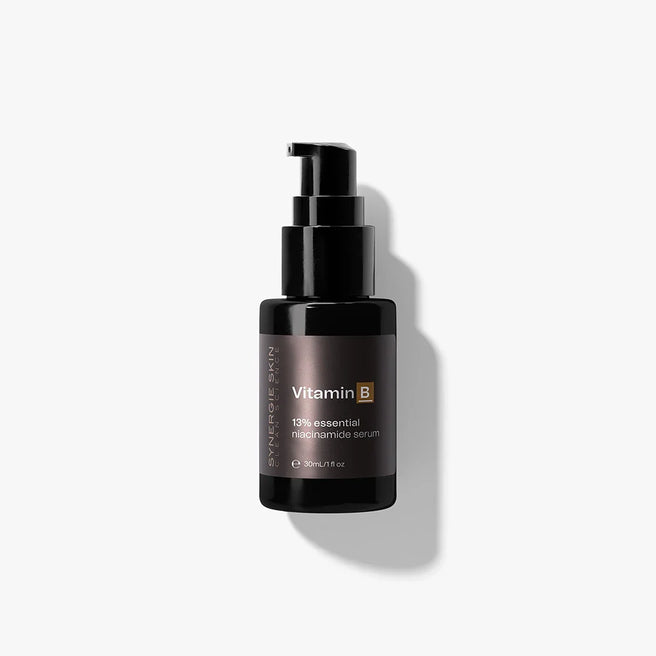
The essential all-rounder for daily barrier support and hydration. Perfect as an entry serum or for those with more sensitive skin.
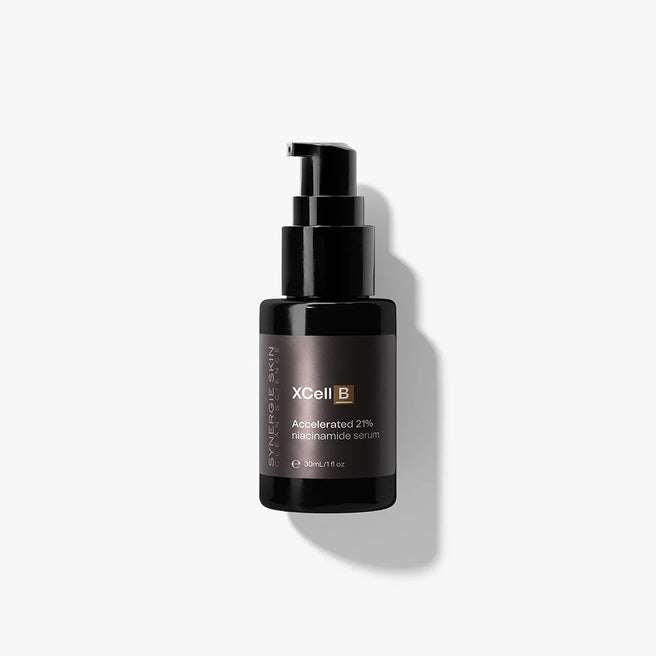
An advanced formula for those looking to target pigmentation and visible signs of ageing.
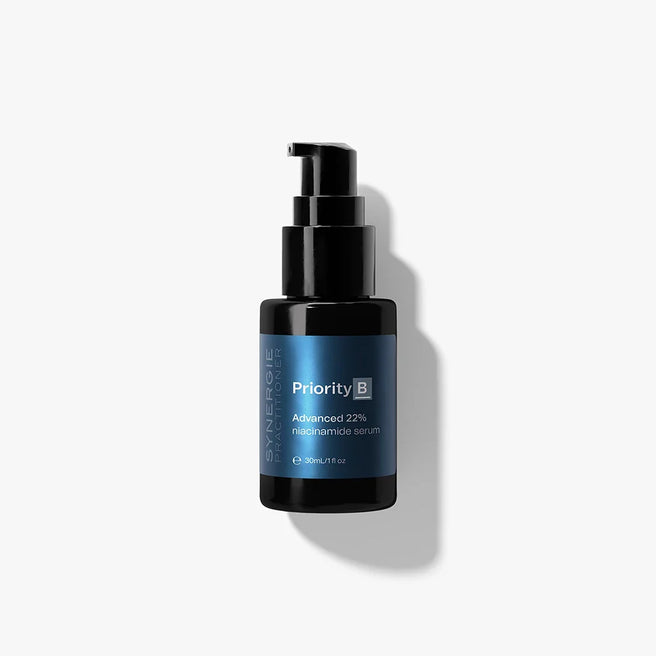
A practitioner-only, clinical-strength "supercharger" as recommended by your skin specialist.
Unsure which one to pick? Read our deep dive on which Synergie Skin vitamin B3 serum is right for you to find your match.
The Synergie Skin Difference
We formulate our B-serums under the philosophy of Clean Science®. By combining high-potency niacinamide with non-irritating complementary ingredients such as Panthenol and Canadian willowherb, we ensure that our serums deliver visible results without the unnecessary additives that may trigger sensitivity or adverse effects.
-v1771901315970.webp)
Frequently Asked Questions
Can I use vitamin B with vitamin C?
Yes, but timing matters. While you can use them together, many prefer to use vitamin C in the morning for daily protection against free radicals. A Niacinamide serum is recommended at night due to its compatibility with retinoids. Evening application is preferred as this is the time when the skin is in repair mode, exhibits higher lipid synthesis and enhanced barrier recovery.
Is it suitable for acne-prone skin?
Absolutely! Niacinamide for skin is one of the best ingredients for acne and congestion because it balances oil production without stripping skin of its natural moisture-holding capacity.
Can vitamin B reduce redness or inflammation?
Yes, by boosting the natural immunity of the skin and inhibiting the release of inflammatory cytokines, it effectively calms the skin and reduces sensitivity and irritation.
How do I use vitamin B in my skincare routine?
It's best applied to clean skin after your lightweight, water-based skincare but before your heavier oils or moisturisers.
Can vitamin B be used with retinoids?
Yes, in fact, it's highly recommended as the evening "power couple," as vitamin B reduces the potential irritation that may be associated with many forms of vitamin A.
Is vitamin B better than hyaluronic acid?
They perform different roles. While hyaluronic acid attracts water to the skin to provide direct hydration, vitamin B trains the skin to better retain its own moisture long-term through enhanced ceramide production.
What percentage of niacinamide is effective?
Clinical studies show effective results at as low as 2–5%, but for significant cosmeceutical changes in barrier and tone, concentrations between 13% and 22% are effectively utilised.